
Responsible Gaming
Play Fiesta!! Responsibly
Fiesta!! is entertainment, not a way to make money — know the age rules and your own limits before you spin.
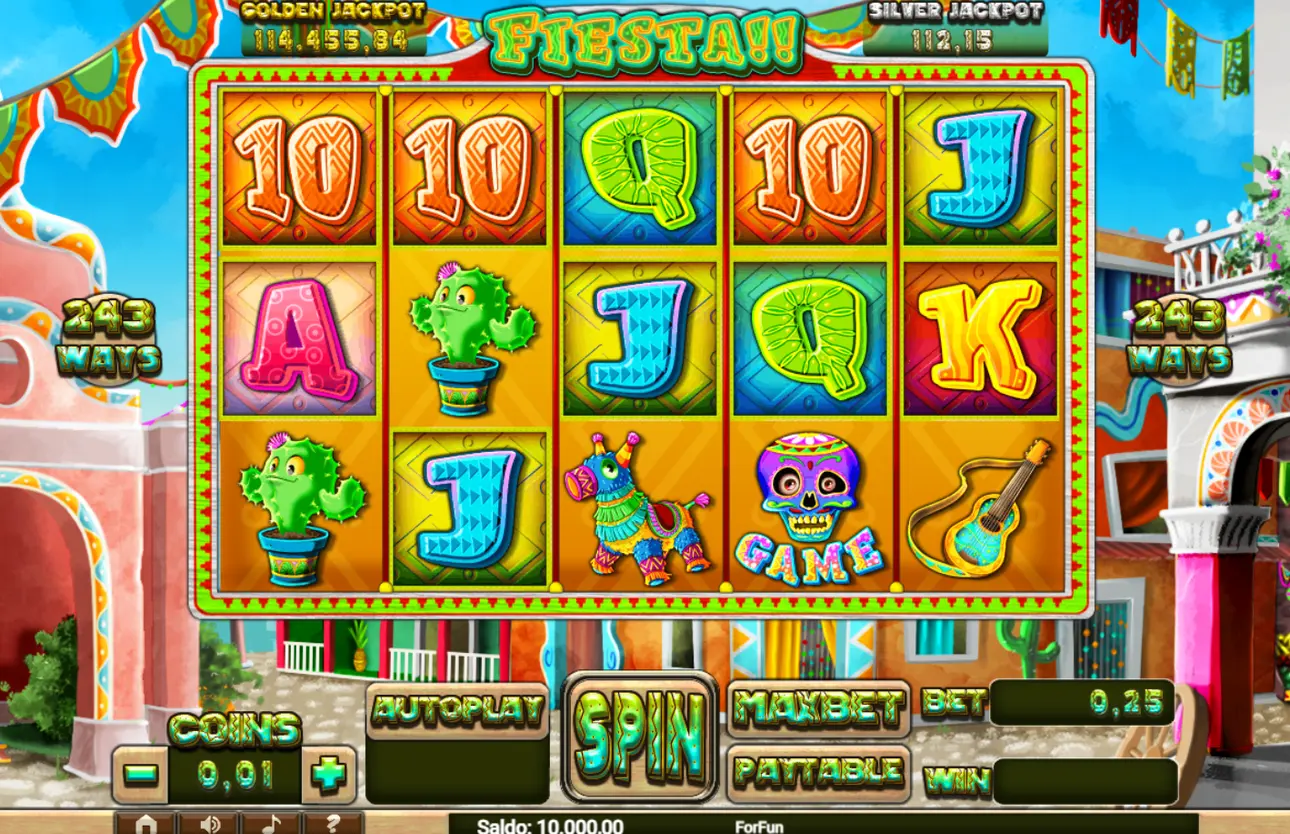
Play Fiesta!! Responsibly
Why This Page Matters
This page exists so that anyone reading a review of Fiesta!! on this site understands the legal and personal boundaries around real-money play before looking at RTP figures or bonus mechanics. Slot reviews describe how a game works; they are not an invitation to chase results. In Canada, the legal age to gamble is set provincially rather than federally, and it differs by region — a detail that matters more than any paytable. If you are unsure whether online slot play is legal or appropriate for you where you live, that question needs an answer before any other part of this review does.
Legal Age and Provincial Rules in Canada
Canada does not apply one uniform minimum gambling age nationwide. The general threshold used across most provinces and territories is 19, but three provinces set it lower, at 18: Alberta, Manitoba, and Quebec. This split exists because gambling regulation in Canada is a provincial matter, administered through provincial lottery corporations and licensed operators rather than a single federal body.
This distinction is not a formality. Age verification is enforced at the account level by licensed operators before any deposit or withdrawal is processed, and titles like Fiesta!! are only meant to be played by users who meet the threshold that applies in their own province — not the lowest number that applies anywhere in the country.
If you are reading this review from outside your home province, or you are unsure which threshold applies to you, confirm the rule for your specific jurisdiction rather than assuming. Provincial gaming authority websites publish current age requirements and licensing status for operators, and that information takes precedence over anything stated on a slot review or a game portal.
None of the mechanics discussed elsewhere on this site — free spins, scatter triggers, multiplier features — are relevant to someone who does not first meet the legal age requirement where they live. That check comes before the paytable, not after it.
Managing Your Play: Tools and Signs to Watch
Fiesta!! runs on a fixed 25-payline, 5-reel structure with free spins triggered by scatter symbols and occasional multiplier events applied to wins. Structurally, that puts it in the broad category of slots where sessions can run long stretches without a feature, followed by a cluster of activity once free spins trigger. Whatever the underlying volatility turns out to be for a specific configuration, the practical takeaway is the same across this type of game: outcomes over a short session tell you almost nothing about what a longer session will look like, and a losing or winning streak within a handful of spins is not a signal to change your budget.
Licensed Canadian operators are required to offer basic player-protection tools, and it is worth using them regardless of how a session has gone. Deposit limits, loss limits, and session-time reminders can usually be set from the account settings of any regulated casino before you start playing, not after a session has already run long. Self-exclusion — a temporary or longer-term block on your own account — is available through most licensed operators and through provincial self-exclusion programs directly.
Some signs are worth taking seriously on their own: playing longer than planned to chase a loss, spending money set aside for other obligations, hiding play from people close to you, or feeling that a session needs to continue until a specific outcome happens. None of these are tied to a particular slot or a particular feature; they describe a pattern, and the pattern is the thing to address.
If gambling stops feeling like entertainment, free and confidential support is available in Canada through the Canadian Centre on Substance Use and Addiction and through provincial problem gambling helplines, most of which operate around the clock. Reaching out does not require having lost a specific amount or reached a particular point — it is available at any stage.